
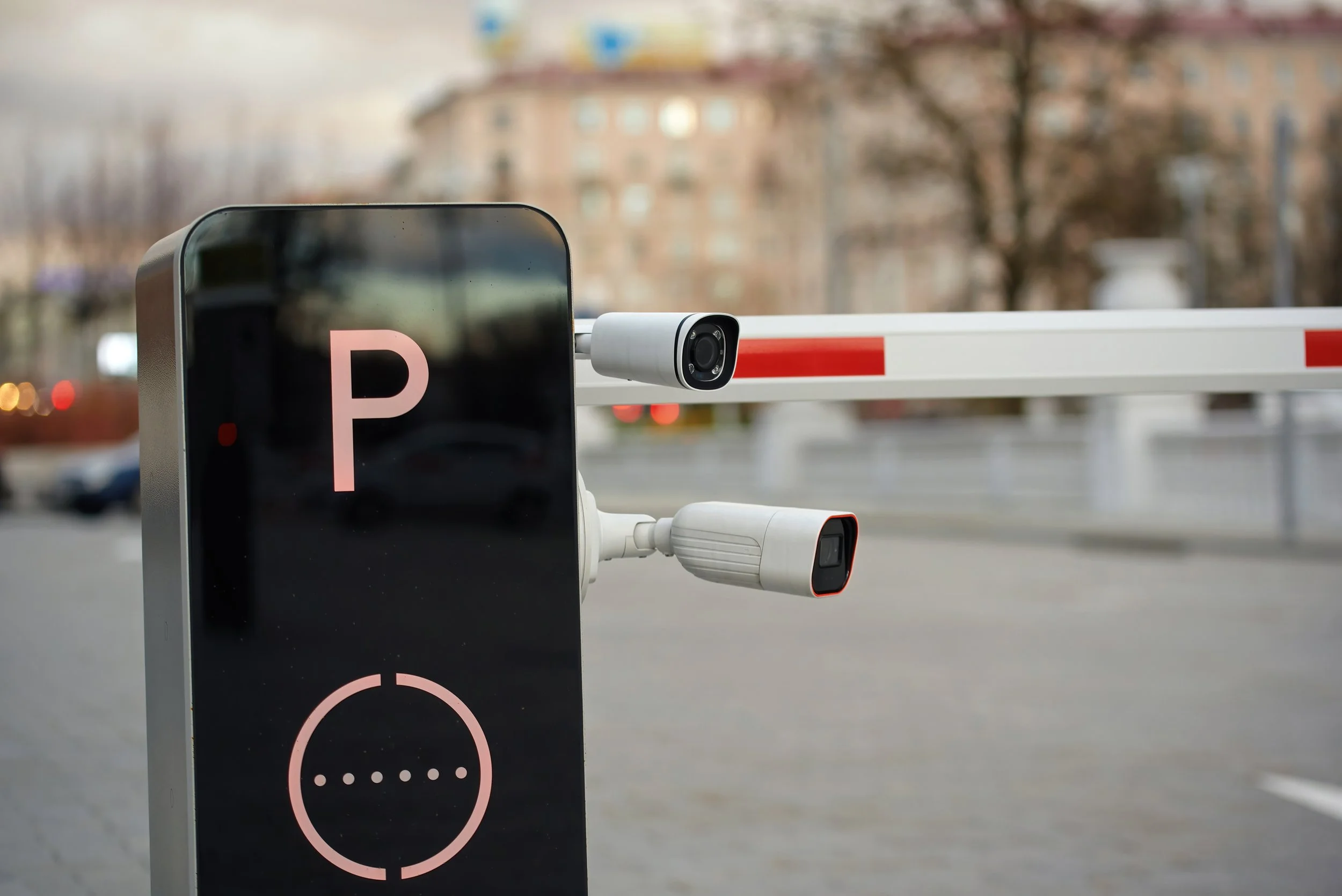
Parking enforcement has always played an important role in maintaining turnover, supporting local businesses, and keeping streets safe and accessible. Today, however, enforcement operations are rapidly evolving as agencies adopt new technologies that improve efficiency, accuracy, and customer service. Across Pennsylvania and throughout the parking industry, enforcement is becoming increasingly data-driven.
Traditional enforcement models often relied heavily on manual patrols and reactive operations. While these approaches are still important, many municipalities and parking authorities are now supplementing them with technologies such as license plate recognition, mobile enforcement software, digital permitting systems, and real-time analytics dashboards. These tools help agencies identify trends, prioritize enforcement areas, and improve operational visibility.
For Pennsylvania communities facing staffing challenges and increasing parking demand, technology can help enforcement teams operate more efficiently without necessarily increasing personnel. Real-time data allows agencies to better understand where violations occur most frequently, how curb space is being used, and when enforcement resources are needed most. This creates opportunities to improve compliance while also reducing unnecessary patrol time.
Modern enforcement technology is also improving the customer experience. Digital permits, mobile payment platforms, and automated citation management systems can reduce confusion and streamline interactions for parkers. In some cases, agencies are even using analytics to evaluate whether regulations themselves should be adjusted to better match real-world demand patterns.
AI is beginning to play a growing role as well. AI-powered systems can assist with identifying occupancy trends, analyzing enforcement activity, and supporting operational decision-making. While the technology continues to evolve, its potential to help parking professionals make faster and more informed decisions is becoming increasingly clear.
The future of parking enforcement is not simply about issuing citations more efficiently. It is about using technology and data to create safer streets, improve turnover, support accessibility, and better manage public space. For parking and mobility professionals across Pennsylvania, embracing smarter enforcement strategies will be an important part of preparing for the future of transportation and urban mobility.