
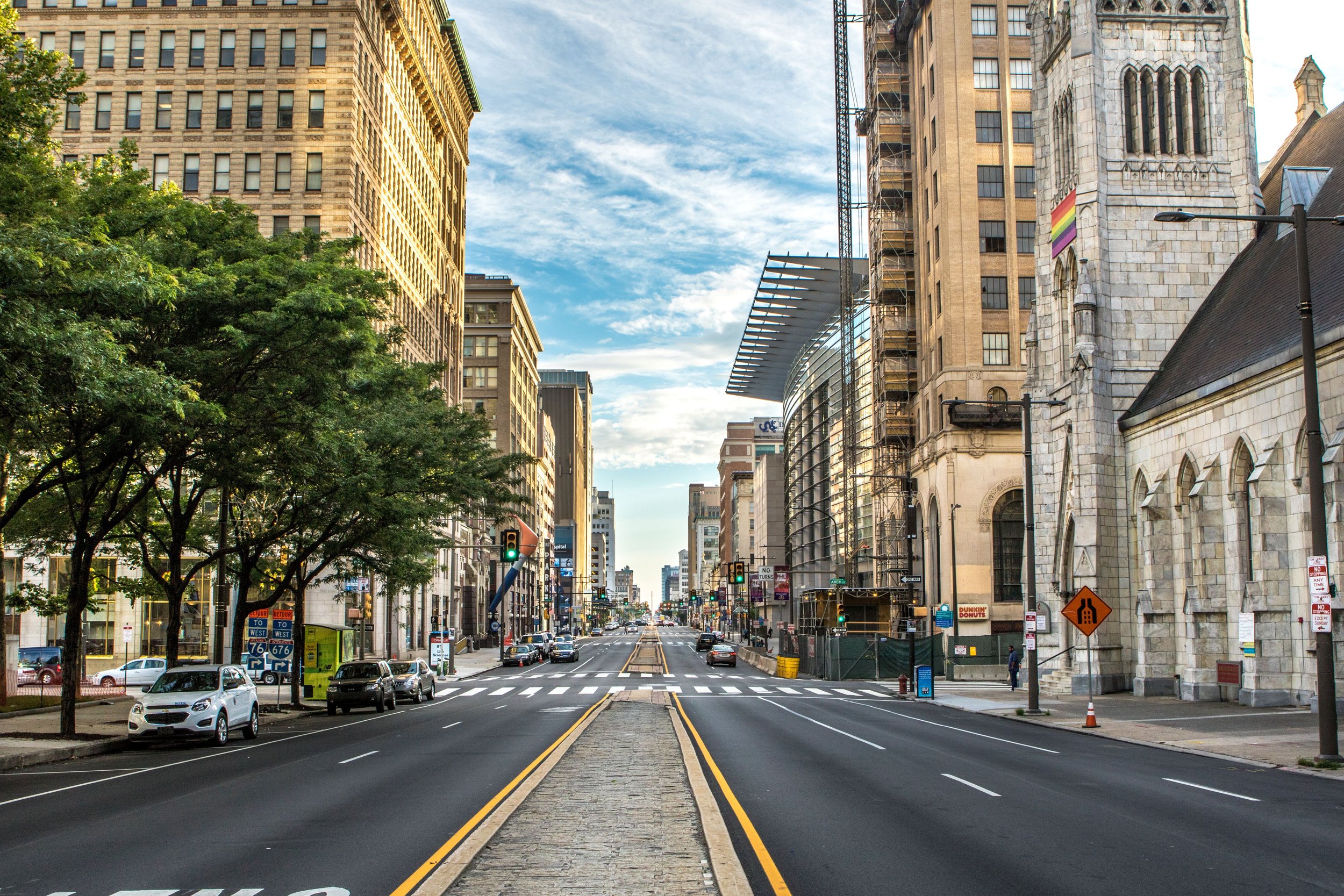
For years, curb space was viewed primarily as a place to park vehicles. Today, communities across Pennsylvania are realizing the curb has become one of the most valuable and contested spaces in transportation. From rideshare pickups and food delivery vehicles to bus operations, bike lanes, and short-term parking needs, the modern curb now supports far more than traditional parking alone.
Cities across Pennsylvania including Philadelphia, Pittsburgh, Bethlehem, and beyond are experiencing growing pressure on curbside operations as travel patterns continue to evolve. Delivery demand has increased significantly, particularly in downtown districts and mixed-use neighborhoods. At the same time, municipalities are working to improve pedestrian safety, support local businesses, and accommodate a wider range of mobility options. The result is a curb environment that requires far more coordination and planning than ever before.
For parking and mobility professionals, curb management is becoming an operational and policy challenge that directly impacts traffic flow, economic activity, and customer experience. Double parking, blocked bike lanes, unauthorized loading activity, and rideshare congestion are no longer isolated problems. They are daily operational realities affecting communities of every size throughout Pennsylvania.
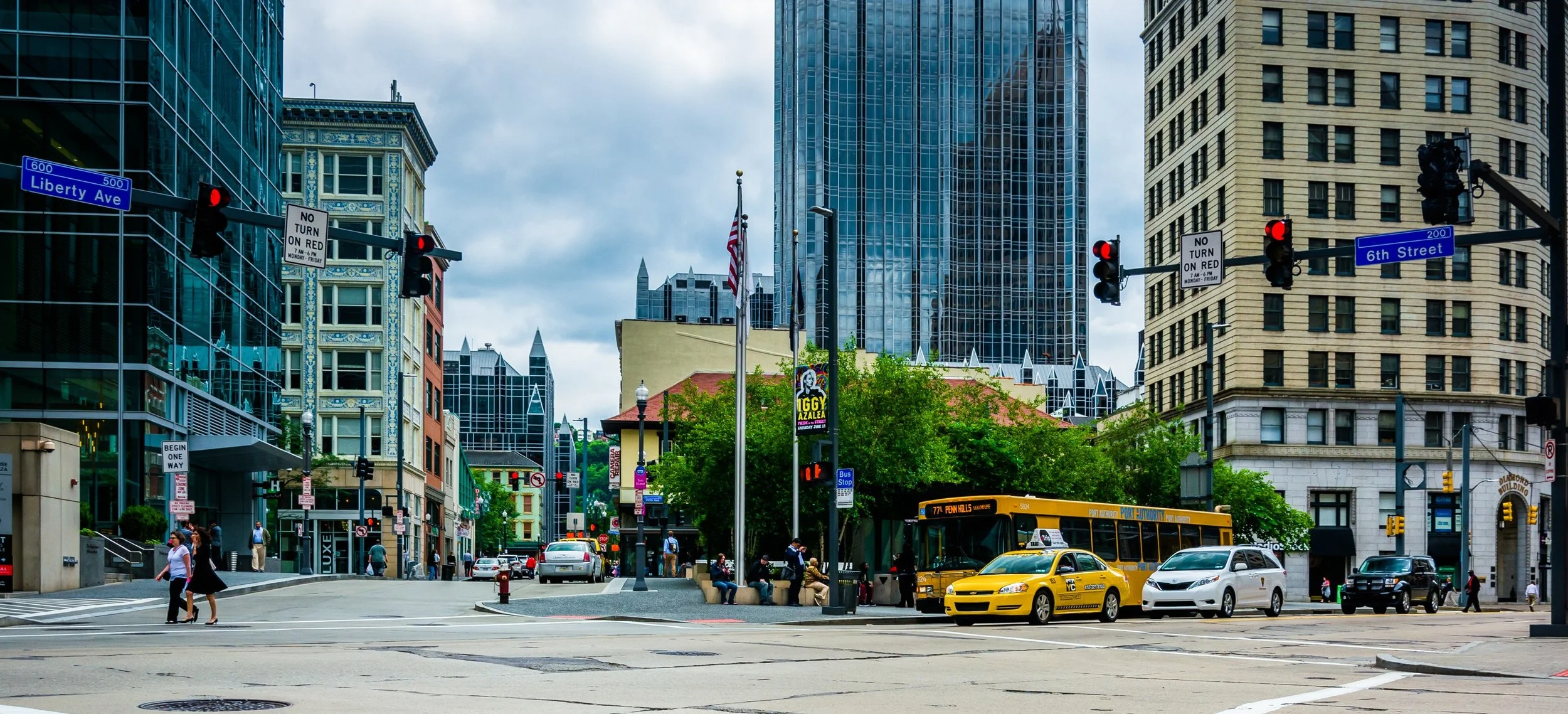
Many organizations are beginning to rethink how curb space is allocated and enforced. Some communities are expanding loading zones and adjusting time restrictions based on demand patterns. Others are exploring data-driven curb management strategies, residential permit programs, or dynamic curb regulations that better reflect how streets are actually being used throughout the day. Technology is also playing a larger role, with municipalities using occupancy data, license plate recognition, and curb analytics to better understand demand and improve compliance.
The conversation around curb management is no longer limited to major urban centers. Smaller cities, university communities, and suburban downtown districts across Pennsylvania are facing many of the same challenges. As mobility continues to evolve, successful curb management will require collaboration between parking professionals, planners, economic development leaders, and local stakeholders.
The future of parking is increasingly tied to how effectively communities manage the curb. For Pennsylvania municipalities, the goal is not simply to regulate parking, but to create safer, more efficient, and more accessible streets that support residents, businesses, and visitors alike.
PTAP continues to bring together the communities and campuses facing these issues, along with the solution-providers who can meet their needs. Stay tuned for more!